September — 2026
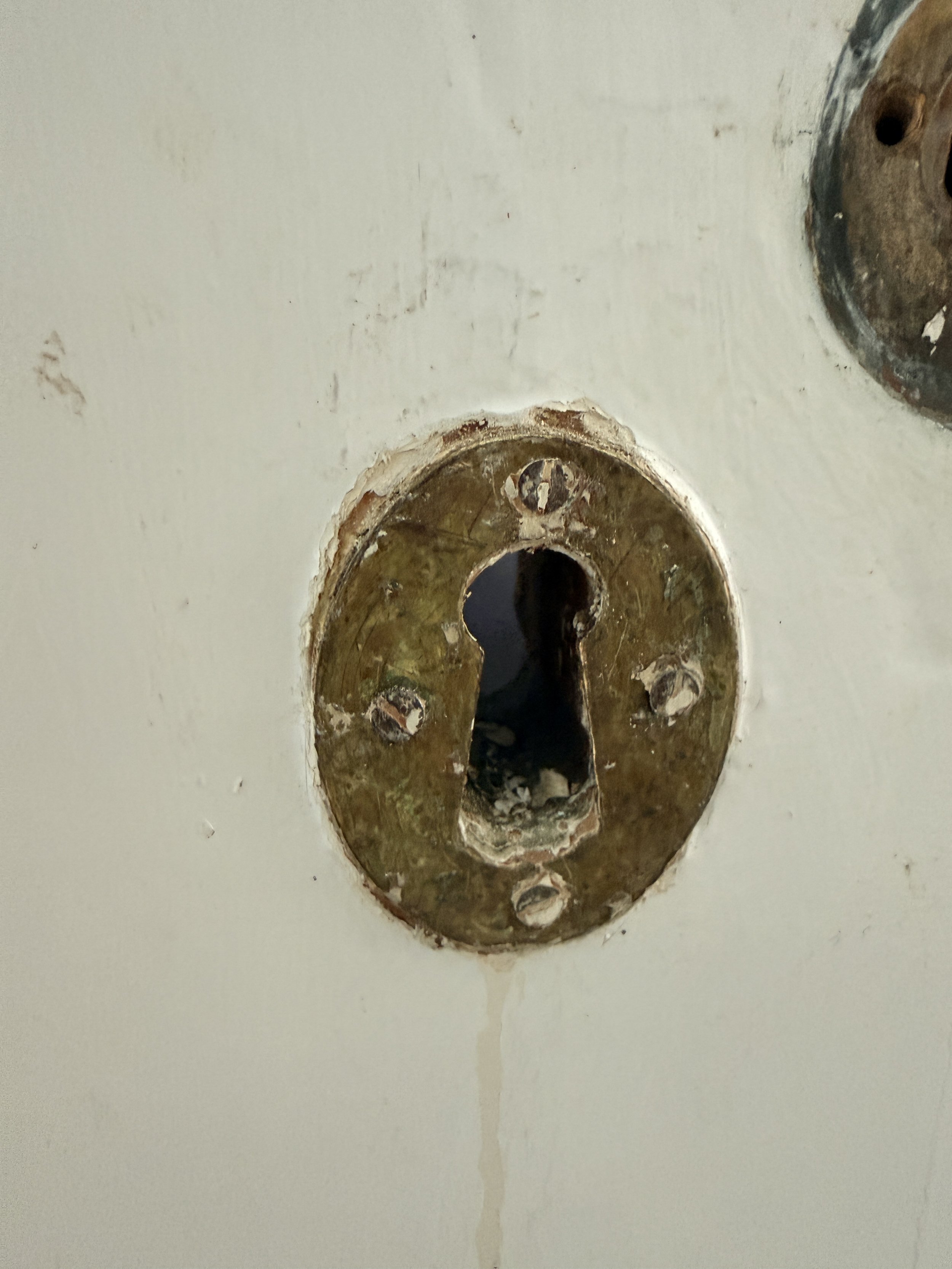
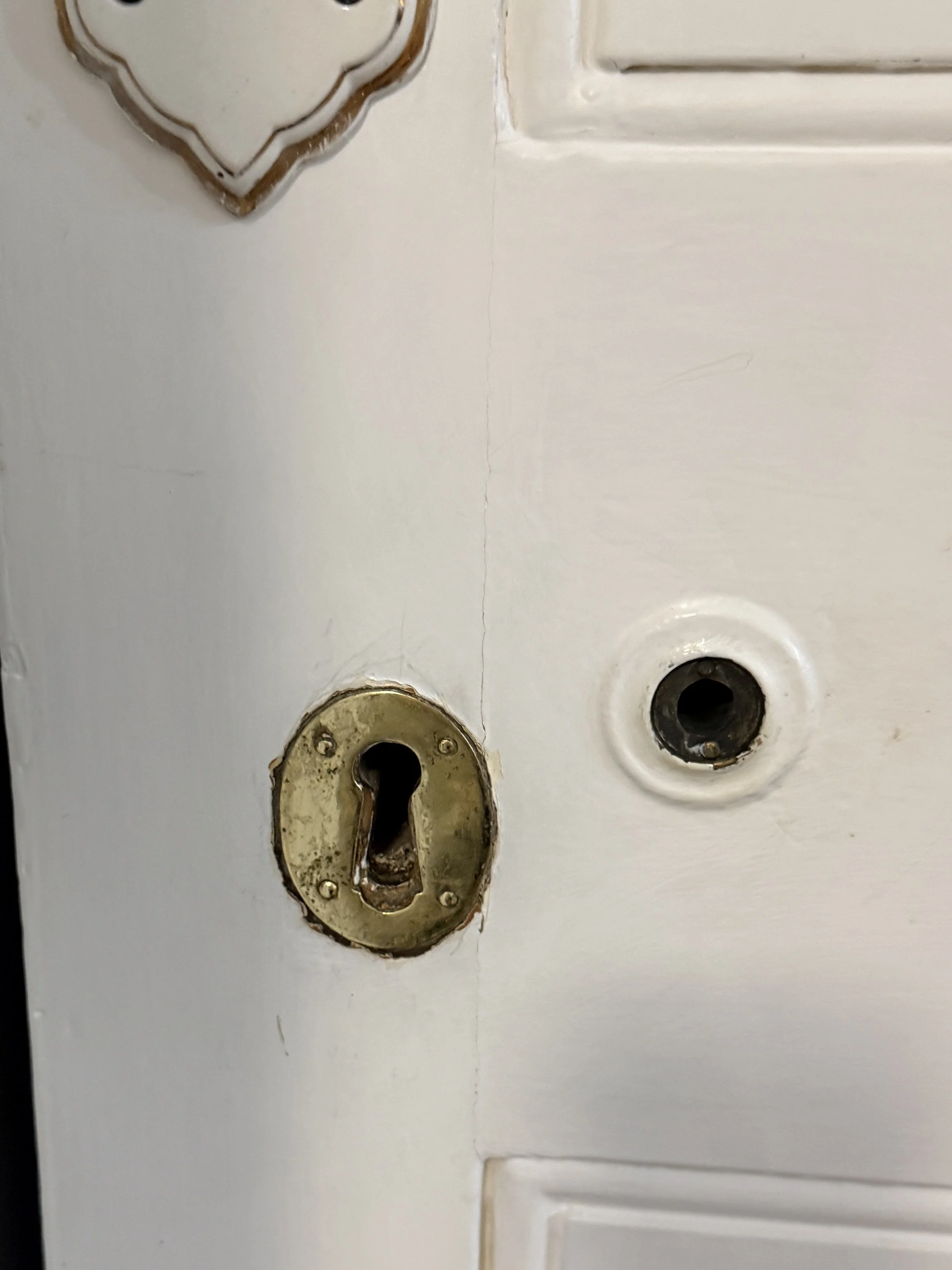
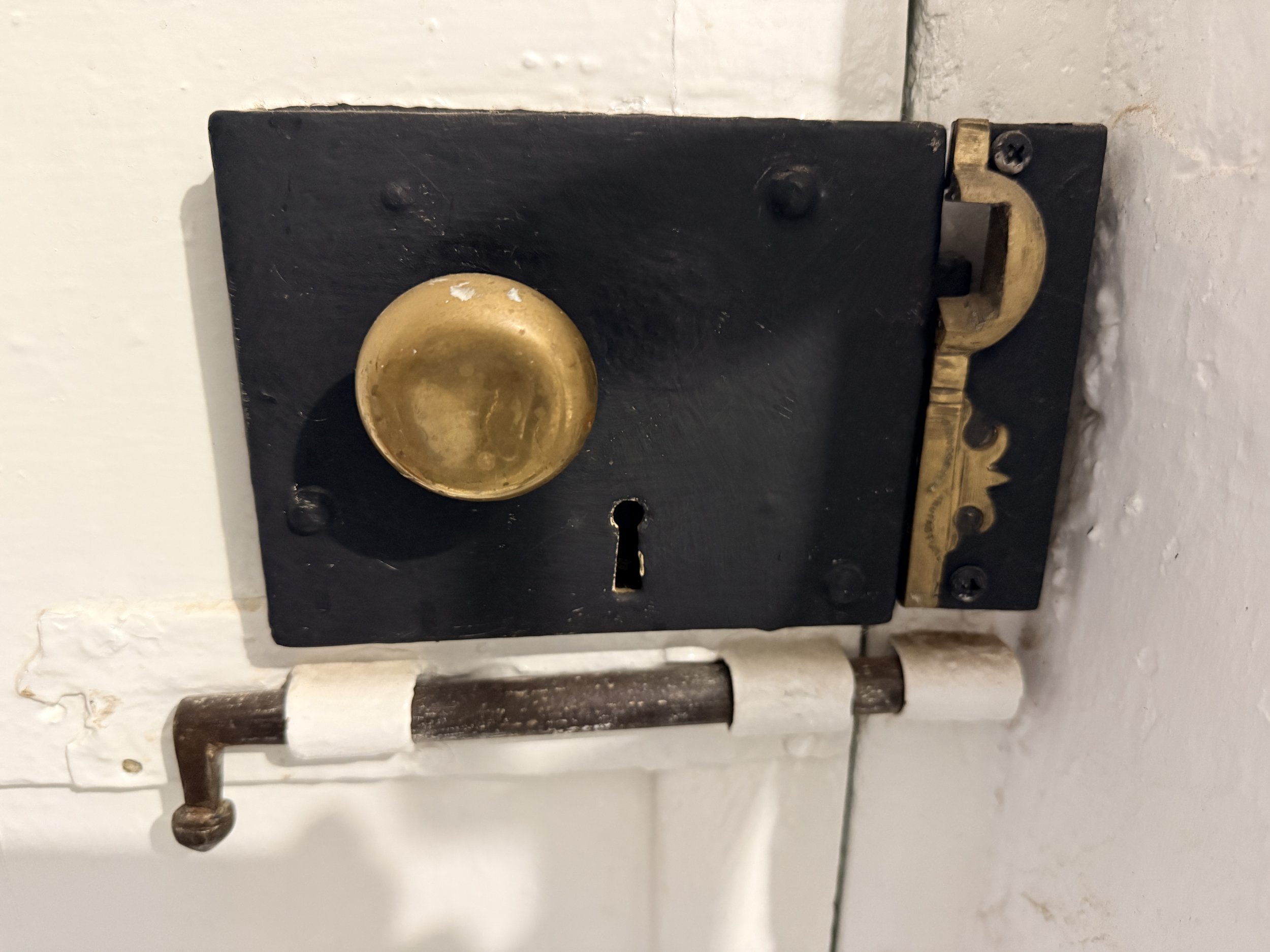
One of the quieter projects we've been chipping away at over Winter is restoring the original door hardware throughout the homestead — every handle, keyhole plate and lock, one door at a time. It sounds like a small job, and in some ways it is, but it's turned into one of the most interesting things we've done on the property.
Under all that old paint, the brass is still there — simple, unfussy designs, nothing showy. Marybank was never a grand house, and the hardware reflects that: solid, practical pieces rather than anything ornate. Cleaning each one back has meant scraping through decades of paint layers, and along the way we've found traces of the original colours underneath — little clues to how each room looked before it was repainted the way we know it now.
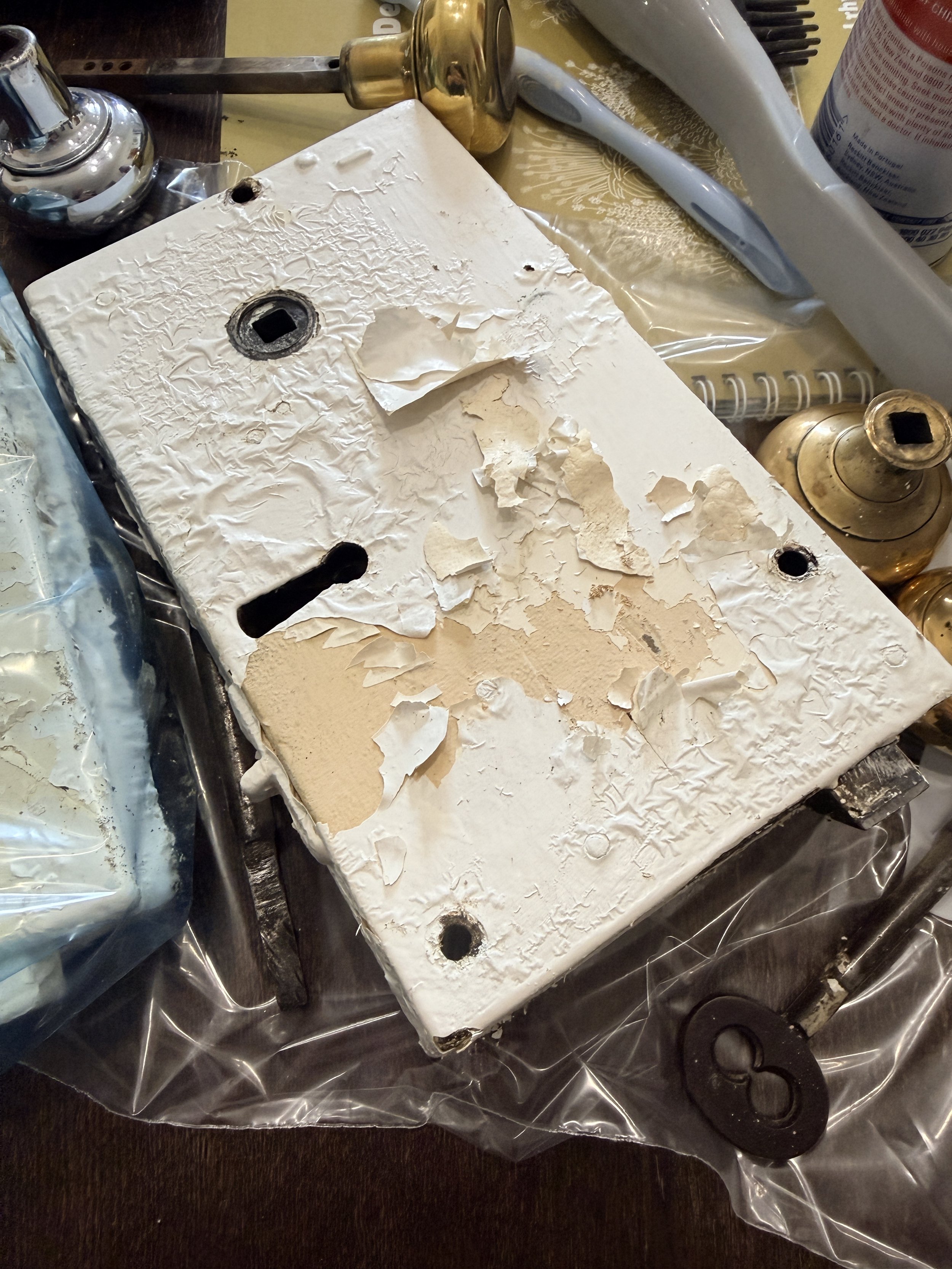
But the real find has been working out which doors originally had external locks. That one detail has told us more about how this house actually functioned than anything else we've turned up. External locks mean a door led outside, or at least to a space that needed securing separately from the rest of the house — and once you start mapping that out, the layout of the old homestead starts to make a lot more sense.
Take the cellar. It had its own external lock, which tracks — that's exactly where you'd store something worth keeping under lock and key, like wine and other valuables. Then there's what's now our toilet, just off the verandah. We'd always assumed it had simply always been a bathroom, but the external lock told a different story: that door used to open straight onto the verandah from outside. Which means the room itself wasn't a bathroom at all originally — it was a butler's pantry, connected through to the dining room.
And here's the part that ties it all together: the dining room isn't where you'd expect either. It's now our master bedroom. But historically, the dining room sat directly above the cellar — which is exactly the layout we've got. Wine and stores below, the dining room above, with the butler's pantry right alongside to move everything between the two. It's a small thing, but figuring that out felt like finding a missing piece of the house's original floor plan.
None of this is grand history — Marybank was always a working homestead, not a manor — but that's exactly what makes it interesting to us. Every handle we restore and every old lock we work out tells us a bit more about how the people who lived here actually used the place, day to day.
We'll keep sharing what we find as we work our way through the rest of the doors.